Campus Opioid Safety
Campus Opioid Safety Act
The Campus Opioid Safety Act (Senate Bill 367) went into effect as of January 1, 2023, and requires California Community Colleges to educate all students about opioid overdose and prevention, and to distribute federally-approved overdose reversal medication. These measures hope to reduce opioid-related overdoses and deaths in our community.
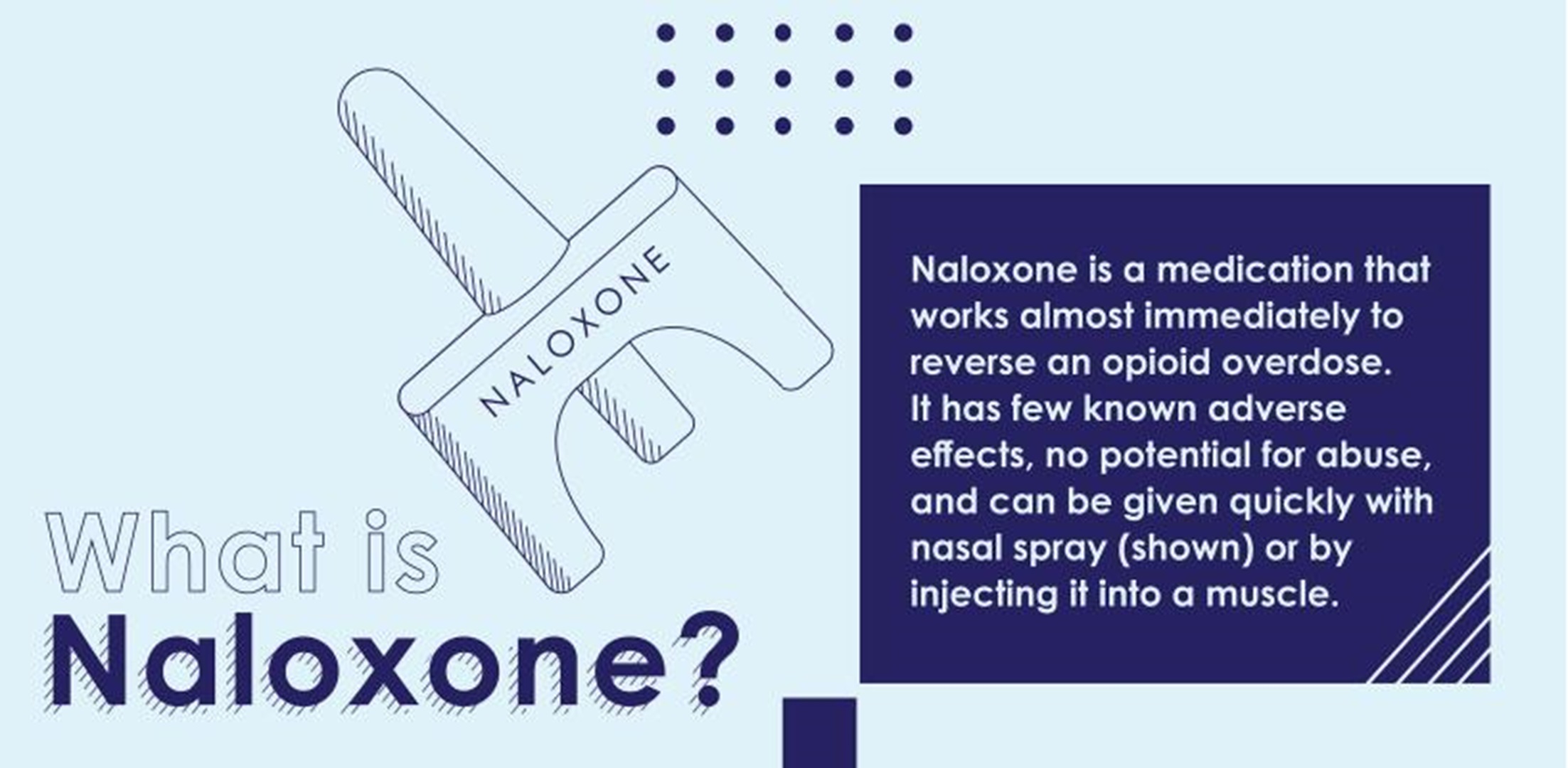
What is Naloxone and the Naloxone Distribution Project?
Naloxone is a life-saving medication that can reverse an overdose from opioids including heroin, fentanyl, and prescription opioid medications.
In compliance with the Campus Opioid Safety Act, Shasta College participates in the Department of Health Care Services’ (DHCS) Naloxone Distribution Project, supplying our campus with Naloxone (Narcan).
How does Naloxone work and how do you use it?
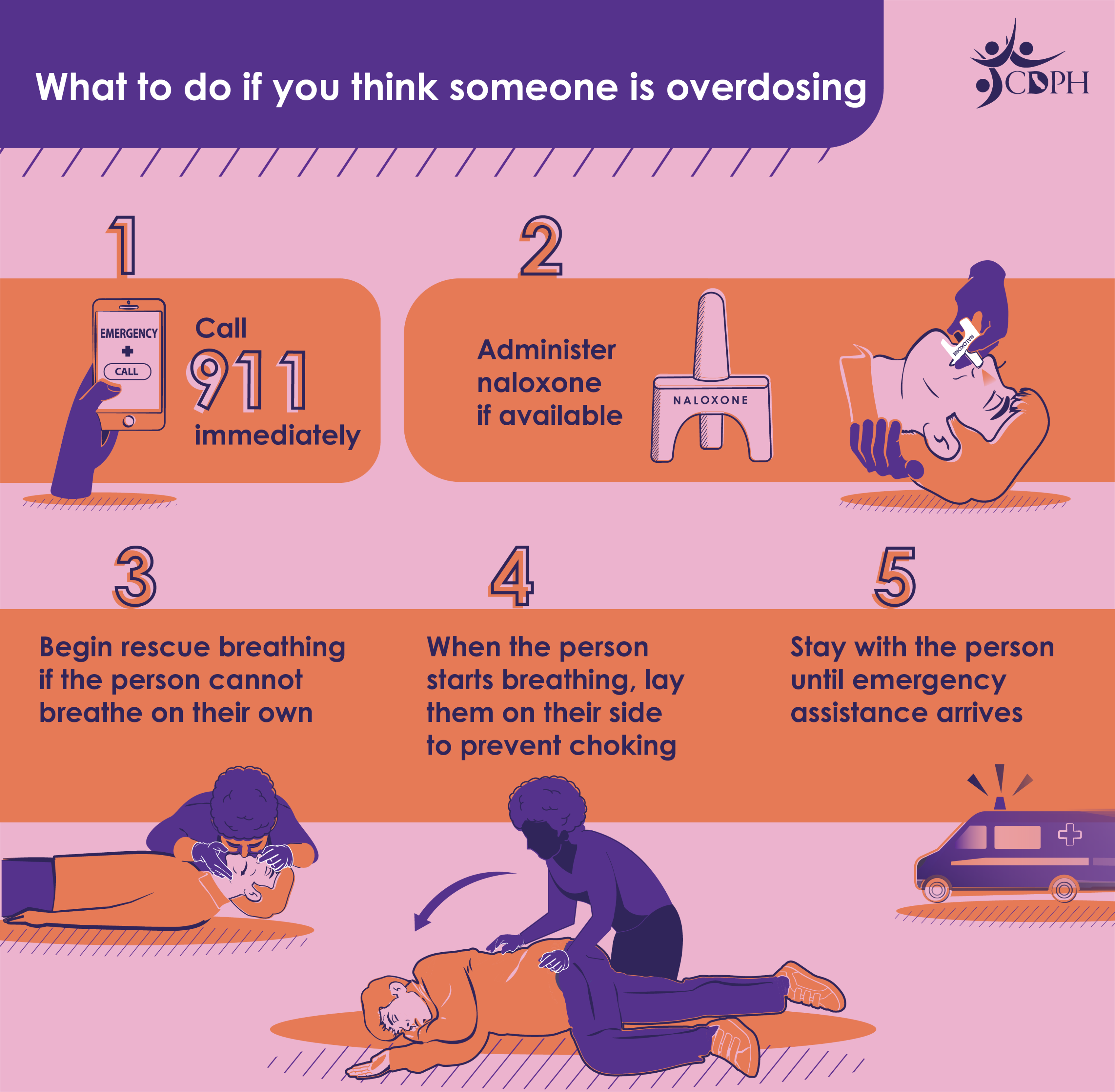
Naloxone quickly reverses an overdose by blocking the effects of opioids. It can restore normal breathing within 2 to 3 minutes in a person whose breath has slowed, or even stopped, as a result of opioid overdose. More than one dose of naloxone may be required when stronger opioids like fentanyl are involved.
Naloxone won’t harm someone if they’re overdosing on drugs other than opioids, so it’s always best to use it if you think someone is overdosing.
If you give someone naloxone, stay with them until emergency help arrives.
Where can I find Naloxone on Campus?
Naloxone is available in the Student Health and Wellness Office and at Campus Safety for students to pick up. Each Campus Safety Officer at Shasta College has Narcan kits in their safety and first-aid supplies.
Who can Administer Naloxone?
All employees and students should be familiar with where Naloxone is located on campus and how to administer it. California’s Good Samaritan law protects individuals who administer naloxone in a medical emergency.
All Shasta College staff and students should watch the “Administering Naloxone” training video from the California Department of Public Health (CDPH):
Additional information and resources can be found at the CDPH website at: Campus Opioid Safety Act.
Free Drink Safety Tools- Available Now!
AB 1524 requires the California State University and Community College districts to stock drug testing devices, as defined, available and accessible, free-of charge, in the health center located on each campus and post a notice on these requirements in a prominent and conspicuous location as specified.
- Controlled substances include, but is not limited to, flunitrazepam, ketamine, and gamma hydroxybutyric (GHB).
- Drug testing devices means test strips, stickers, straws, and other devices designed to detect the presence of controlled substances in a drink.
Think Twice Spike Test Strips detect these common date rape drugs by placing a drop of beverage on designated areas. Each test strip will detect ketamine, GHB, scopolamine, cocaine and other "amine" based drugs. These strips are available for students in the health center.
Fentanyl Test Strip
Fentanyl is an opioid that is up to 50 times stronger than heroin and is responsible for a growing number of overdose deaths each year.
Fentanyl checking strips, originally designed for urine drug tests, are now being used off label to test for the presence or absence of fentanyl and fentanyl analogs in the illegal drug supply. Drug checking strips allow users to dissolve a small sample of a drug into water, insert a test strip, and look for an indicator line alerting the user to the presence of fentanyl. Fentanyl testing strips can accurately read whether a substance contains fentanyl or not.
Resources: